The Chromatic Architect
We often mistake colour for an inherent property of the world, assuming it is a passive reflection of light. However, neuroaesthetics reveals that colour is an active construction, a sophisticated interpretation the brain imposes upon the external environment to acquire knowledge. This process, primarily governed by the V4 complex, relies on "ratio-taking"—a complex biological operation where the brain compares the light reflected from one surface with that of its surrounding surfaces. This mechanism ensures "colour constancy," the remarkable ability that allows us to recognize a green leaf at dawn, high noon, or dusk, despite massive fluctuations in wavelength composition. Without this internal logic, we would be at the mercy of every "fortuitous aspect" of light, rendered unable to identify the constant properties of objects.
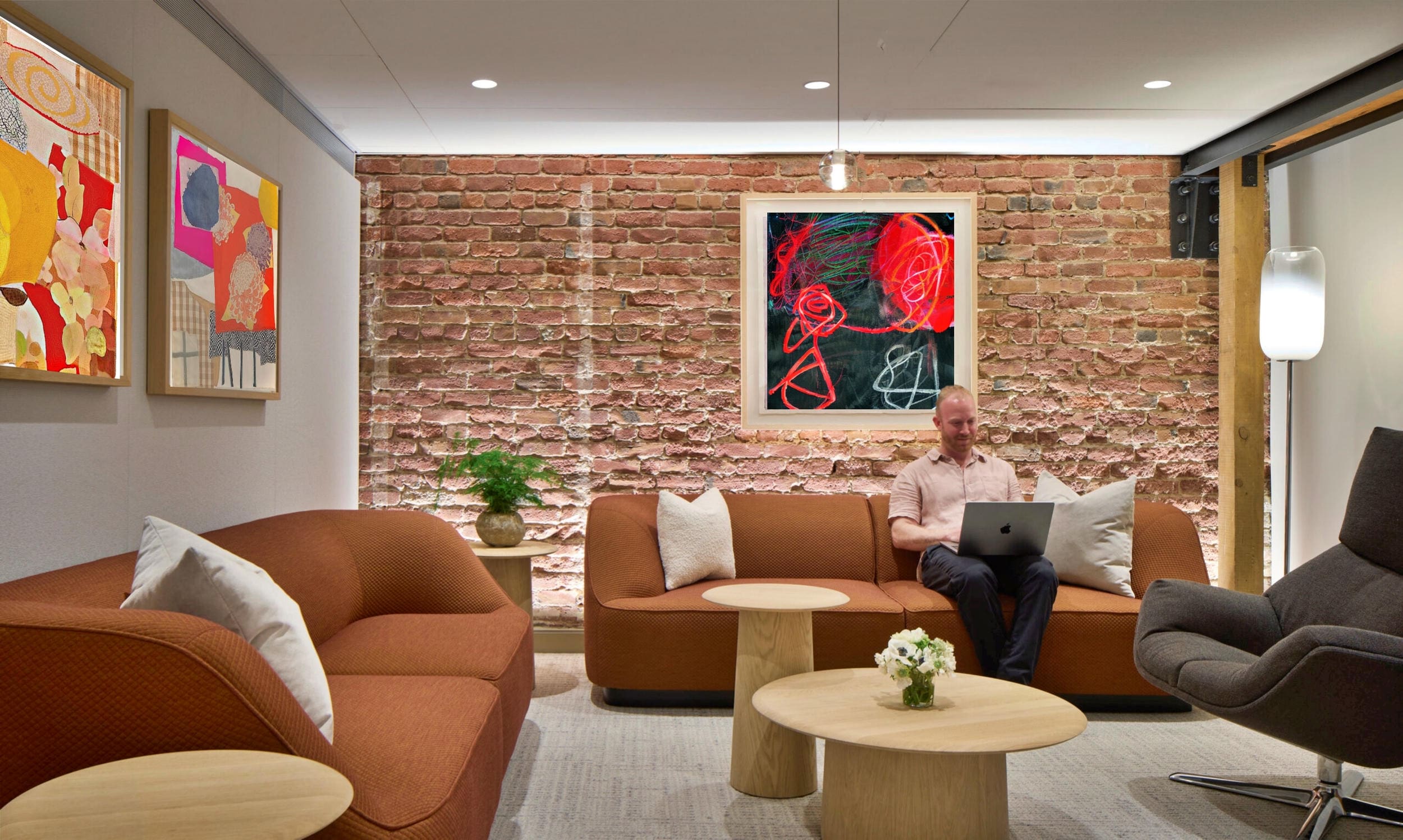
When you marvel at a vibrant painting, you aren't just seeing pigments; you are witnessing your brain's "mental science" in action, where the "power and disposition" to stir up sensation resides not in the physical rays of light, but in the intricate neural highways of your own nature. This chromatic architecture allows us to navigate a world in constant flux with biological certainty.